Weight lifting or pumping iron has always been popular with clients and gym-goers. But thanks partly to the 2024 Olympics, social media trends, and a growing awareness of the health benefits, Olympic weightlifting is having a bit of resurgence. These lifts—renowned for building explosive power and functional strength—are no longer reserved for elite athletes. As the fitness landscape evolves, personal trainers must adapt by integrating such transformative techniques into their repertoire.
As part of our Elite Personal Trainers blog series, today we’ll be hearing from the founder of T2 Fitness, Stu Gatherum. He’ll be delving deep into the Olympic lifting, and exploring the benefits, the techniques as well as explaining how you can incorporate Olympic weight training into your client’s routines.
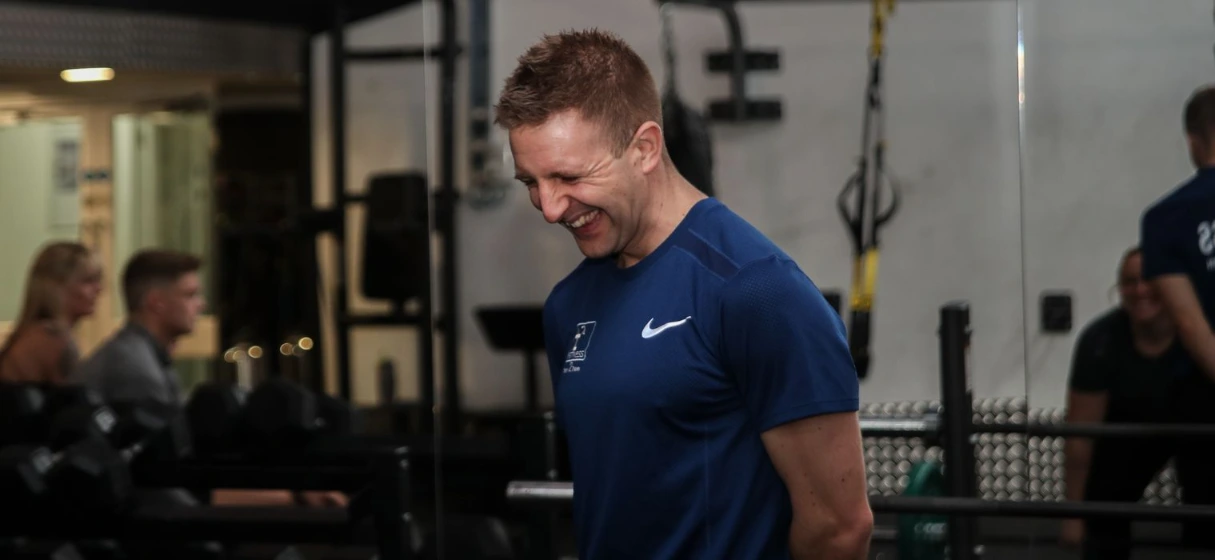
Stu Gatherum, Founder & Olympic Lifting Expert at T2 Fitness
Hi I’m Stu, owner of T2 Fitness. I have an extensive background in Olympic Lifting as a feature of Strength & Conditioning. The Olympic Lifts, or variations of the lifts are a key feature in achieving power and speed in the athletic performance of the many people I have worked with over the years, including many high-performance athletes. Let’s get stuck in!
Understanding Olympic Weightlifting
The terms “weightlifting” and “Olympic lifting” are often used interchangeably, but they refer to different activities within the broader scope of strength training. Here’s a breakdown of the differences:
Weightlifting: A general term encompassing any activity involving lifting weights. This includes bodybuilding, powerlifting, and recreational lifting. Weightlifting focuses on muscle hypertrophy (growth), general strength, or fitness. It often involves a variety of exercises such as bench presses, squats, deadlifts, and curls. It’s popular with building muscular strength and endurance and caters to general fitness enthusiasts, bodybuilders, and powerlifters.
Olympic Lifting: A specific discipline within weightlifting that involves two lifts—the snatch and the clean-and-jerk—performed in competition. These lifts emphasise explosive power, speed, and technical precision, often performed as part of athletic training or competitions like the Olympics. It’s primarily aimed at improving athletic performance, neuromuscular coordination, and explosiveness. It’s used by athletes in various sports (e.g., football, rugby) to enhance performance and develop power.
History of Olympic Lifting
The modern sport of Olympic weightlifting emerged in Europe during the mid-19th century, with strength clubs forming in countries like Austria and Germany. During this time, “strongmen” performances in circuses popularised one- and two-handed lifts, which influenced the development of the Olympic lifts we know today.
The first weightlifting world championship was held in London in 1891, and the sport made its Olympic debut in 1896. Initially, competitions included a mix of one- and two-handed lifts with fewer regulations compared to today’s standards. After intermittent appearances, weightlifting became a consistent part of the Olympic Games in 1920, following the establishment of the International Weightlifting Federation in 1905.
By 1928, the sport standardised its format, focusing on three lifts: the snatch, the clean and jerk, and the clean and press. However, the clean and press was removed in 1972 due to judging inconsistencies, leaving only the snatch and the clean and jerk as the official Olympic lifts.
Today, Olympic lifting is celebrated for its technical complexity and physical demands. It has become a fundamental training method for enhancing athletic performance across various sports and continues to grow in popularity worldwide. So, let’s take a closer look at why fitness pros like Olympic lifting so much.
The Science Behind Olympic Lifting
Olympic lifting is underpinned by biomechanics and neuromuscular science, making it one of the most effective training methods for developing strength, power, and coordination.
Biomechanics of the Snatch and Clean-and-Jerk
The snatch and the clean-and-jerk are full-body exercises that involve lifting a loaded barbell from the ground to overhead in one or two movements. These lifts engage almost every major muscle group, emphasising explosive power from the lower body while requiring stability and control in the upper body.
- The Snatch: This lift requires pulling the barbell from the ground and lifting it overhead in a single, fluid motion. It relies heavily on hip extension, a rapid contraction of the gluteus maximus, hamstrings, and quadriceps, combined with a coordinated pull from the upper back and arms. The lift demands flexibility in the hips and shoulders, as well as exceptional balance to stabilise the barbell overhead.
- The Clean-and-Jerk: This is a two-part lift. The clean involves lifting the barbell from the ground to the shoulders, while the jerk drives the barbell overhead using the legs and arms. The clean focuses on speed and power in the lower body, while the jerk highlights overhead stability and upper-body strength.
Neuromuscular Benefits
Olympic lifting enhances neuromuscular efficiency, the ability of the nervous system to effectively communicate with muscles. These lifts demand high levels of motor unit recruitment and synchronisation, improving the speed and precision of muscle activation.
Key benefits include:
- Explosive Strength: Olympic lifts train the fast-twitch muscle fibers responsible for power and speed. This is critical for athletes and clients with performance-based goals.
- Intermuscular Coordination: These lifts require the seamless cooperation of multiple muscle groups, enhancing overall movement efficiency.
- Proprioception and Balance: The lifts improve body awareness and control, which can be transferred to other physical activities.
- Athletic Muscles: The Olympic Lifts are successful based on ‘Triple-Extension’, meaning the ankles, knees and hips working together to provide as much upwards displacement of the bar as possible. This has a positive overlap into many athletic events that involve similar actions such as jumping and sprinting.
Promoting Coordination, Flexibility, and Power
Olympic lifting is not just for athletes; its benefits translate to diverse fitness goals. These lifts require:
- Coordination: The complexity of each movement improves motor learning and the ability to perform other compound exercises.
- Flexibility: Achieving proper lifting positions, especially in the snatch, promotes greater mobility in the hips, shoulders, and ankles, as well as the thoracic spine.
- Power: The explosive nature of these lifts makes them invaluable for anyone seeking to enhance athletic performance or functional fitness.
By incorporating Olympic lifting into training programs, personal trainers can help clients achieve improved athleticism, stronger kinetic chains, and better overall fitness. These qualities are highly transferable to a variety of sports and daily activities, making Olympic lifting an excellent tool for trainers looking to diversify their coaching repertoire.

Why Olympic Lifting Matters Today
Olympic lifting plays a vital role in modern fitness for its ability to enhance functional movement, improve athletic performance, and reduce injury risks. It aligns seamlessly with the goals of fitness enthusiasts, athletes, and personal trainers by building transferable strength and promoting dynamic, whole-body fitness.
Supporting Functional Fitness
Functional fitness focuses on improving movement patterns used in daily life or sports. Olympic lifts, such as the snatch and clean-and-jerk, mimic real-life movements that require coordination, balance, and power, like jumping, lifting, or carrying. The benefits extend beyond raw strength:
- Enhanced Mobility: The dynamic ranges of motion involved in Olympic Weightlifting, particularly in the hips, shoulders, and ankles, promote flexibility and joint health.
- Core Strength: OL requires stability through the core to manage heavy loads effectively, leading to better posture and spinal support.
For trainers, these functional gains make OL a powerful tool for helping clients improve overall fitness and address muscle imbalances or movement inefficiencies.
Injury Prevention
When performed with proper technique, Olympic lifting reduces the risk of injuries by:
- Strengthening Tendons and Ligaments: The explosive movements in OL build resilience in connective tissues.
- Improving Movement Patterns: By teaching proper biomechanics, OL helps individuals lift and move safely, reducing the likelihood of strain or injury.
- Enhancing Proprioception: The precision required in these lifts improves body awareness, helping clients avoid awkward or harmful movements during other activities.
These factors are especially valuable for athletes recovering from injuries or looking to enhance their long-term physical health.
Boosting Athletic Performance
Olympic lifting is a cornerstone for athletes across various sports. It develops explosive power and speed, critical for performance in disciplines such as football, basketball, and track and field. By training fast-twitch muscle fibers and neuromuscular coordination, OL helps athletes jump higher, run faster, and generate more force in shorter periods.
Additionally, OL builds mental toughness and focus, as athletes must concentrate intensely during the execution of complex lifts.
Integration into Popular Fitness Programs
Programs like CrossFit have made Olympic lifting more accessible to the general population. CrossFit incorporates OL into its “constantly varied” workouts, blending strength training, cardio, and functional movements to appeal to diverse fitness goals.
This mainstreaming has demonstrated that OL isn’t just for elite athletes—it’s suitable for anyone seeking to improve strength, endurance, and body composition. CrossFit’s emphasis on scalability ensures that movements can be adapted for beginners while still providing an introduction to the benefits of Olympic lifting.
Alignment with Broader Fitness Goals
In a fitness landscape increasingly focused on efficiency and versatility, Olympic lifting stands out for its ability to:
- Support weight loss by increasing calorie burn due to its high intensity.
- Improve athleticism in non-athletes, including hobbyists and general fitness clients.
- Foster a sense of achievement as clients master complex skills.
For personal trainers, the relevance of Olympic lifting today lies in its ability to address a wide range of client needs. From functional fitness to performance goals. Offering expertise in this discipline sets trainers apart and positions them to succeed in a competitive fitness market.
The Gap in Knowledge: Why Specialised Training is Essential
Despite its growing popularity, OL is often misunderstood and improperly executed. This creates an opportunity for personal trainers to stand out by gaining proficiency in these advanced lifts. Through courses like T2 Fitness’ one-day Olympic lifting course, trainers can bridge this gap, ensuring they not only master the lifts but also learn to coach clients safely and effectively.
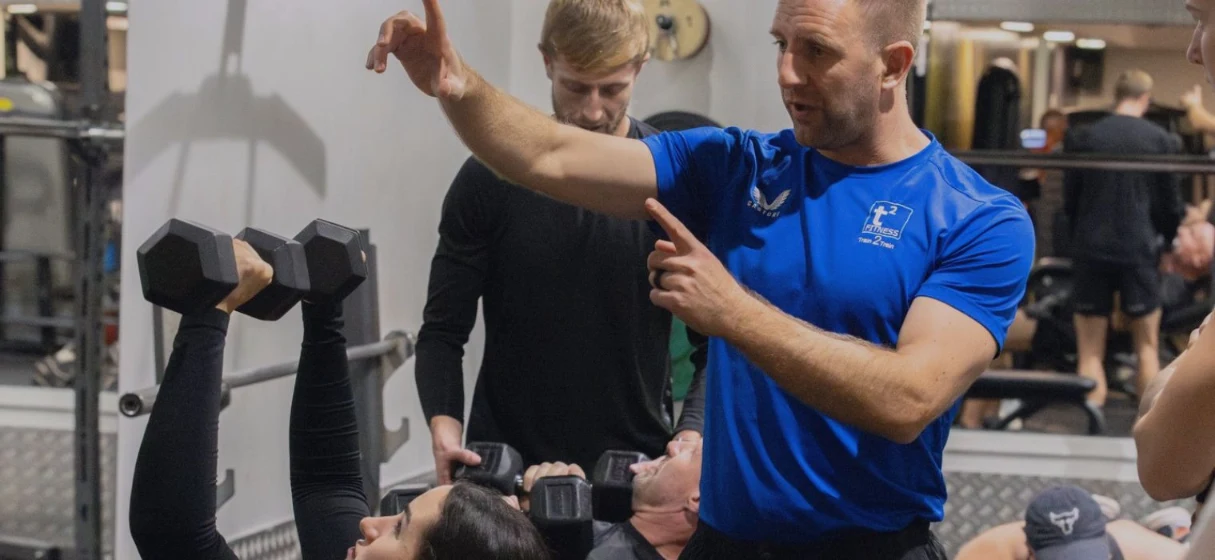
This one-day, hands-on workshop is meticulously designed for qualified Level 3 personal trainers. It offers the chance to train with me, a strength and conditioning coach specialising in neuromuscular development, as well as career-long support.
Key benefits of our Olympic Lifting Course for Personal Trainers
Enhanced Skills and Knowledge
- Technical Proficiency: Develop expertise in performing and coaching Olympic lifts.
- Injury Prevention: Equip yourself with the knowledge to teach safe, efficient techniques.
Career Progression
- Earn 4 CIMSPA-accredited CPD points, demonstrating your commitment to professional development.
- Position yourself as a specialist, opening doors to advanced certifications, like T2 Fitness’ Level 4 Strength and Conditioning course.
Client-Centric Results
- Performance Boost: Help clients achieve superior results in strength, power, and overall fitness.
- Program Variety: Add engaging and effective techniques to your training arsenal.
Marketability and Differentiation
- Stand out in the competitive fitness industry by offering niche expertise in Olympic lifting.
- Appeal to athletes, sports enthusiasts, and clients seeking advanced training.
Networking and Community
- Build relationships with fellow professionals and leading industry experts through in-person workshops.
How Olympic Lifting Enhances Career Opportunities
Acquiring Olympic lifting skills through a specialised course like T2 Fitness’ workshop offers personal trainers significant professional advantages. From expanding client offerings to increasing earning potential, mastering this highly sought-after discipline can transform a fitness career.
Elevating Trainer Offerings
- Coaching Athletes: Olympic lifting is a staple in athletic training programs due to its proven benefits in power, speed, and coordination. By mastering the snatch and clean-and-jerk, trainers can work with amateur or professional athletes. You can help them optimise performance in sports such as rugby, basketball, and track and field.
- Diverse Client Base: OL isn’t limited to athletes; its principles are increasingly incorporated into general fitness programs for individuals aiming to enhance strength, flexibility, and functional fitness. Trainers with OL expertise can introduce unique training options for:
- Functional fitness enthusiasts.
- Clients seeking efficient, full-body workouts.
- Rehabilitation clients aiming to rebuild strength and coordination.
- Running Specialty Workshops: Trainers with advanced skills can host workshops to teach OL basics to clients or fellow trainers, positioning themselves as thought leaders in the fitness community.
Career-Long Benefits
- Professional Differentiation: Olympic lifting skills set trainers apart in a competitive market. CIMSPA-accredited training, like T2 Fitness’ course, highlights a trainer’s commitment to high standards, improving their professional reputation.
- Enhanced Programming: Integrating Olympic lifts into client programs not only improves results. It also diversifies workout routines, increasing client retention by keeping sessions engaging and challenging.
- Specialisation Opportunities: Trainers can leverage their Olympic Lifting skills to carve out niches in strength and conditioning or functional fitness, which often command higher rates due to specialised expertise.
- Future Development: A course in Olympic lifting can serve as a stepping stone to advanced certifications, such as strength and conditioning or sports performance coaching. For instance, T2 Fitness’ Level 4 Strength and Conditioning course offers further specialisation opportunities for trainers looking to build upon their OL expertise.
- Networking and Community Building: Workshops and specialised training often provide opportunities to connect with peers and industry experts. These connections can open doors to partnerships, mentorship, or collaborations, broadening career horizons.
Specialise in Olympic Weightlifting
Olympic lifting has seen a remarkable surge in popularity. Driven by the influence of social media, evolving fitness trends, and its prominent role in events like the Olympics. Clients are increasingly drawn to the sport’s ability to build strength, improve athletic performance, and foster a sense of achievement. For personal trainers, this presents an exciting opportunity to expand their services and meet the growing demand for skilled Olympic lifting instruction.
Olympic weightlifting isn’t just a skill; it’s a career-enhancing tool that sets you apart in a crowded market. By enrolling in T2 Fitness’ Olympic Lifting workshop, you’ll not only expand your expertise but also deliver exceptional results for your clients. Plus you’ll be building a reputation as a forward-thinking and versatile trainer.
By training with T2 Fitness, personal trainers can not only enhance their expertise but also earn valuable CPD points, ensuring they remain at the forefront of their profession. Equip yourself with the knowledge and skills to offer Olympic lifting as a part of your fitness programs, helping clients achieve their goals while setting your services apart in an ever-evolving industry.
Ready to elevate your career? Join our Olympic Lifting course and earn 4 CPD points while mastering a skill that will transform your personal training approach. Contact T2 Fitness today to secure your spot and unlock the power of Olympic lifting.